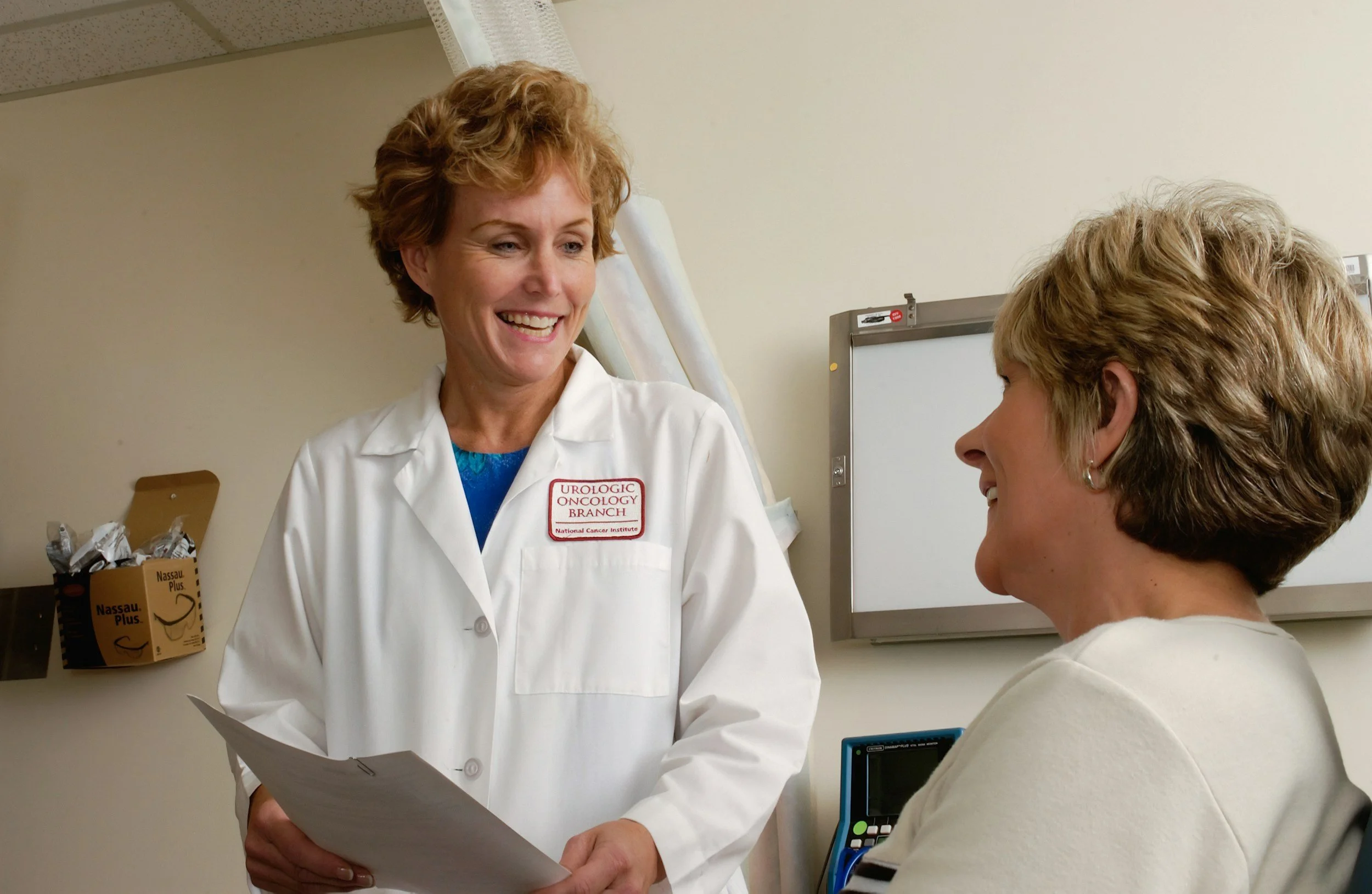
When someone you love is giving birth, it’s normal to want to help—but not always know exactly what to do. Many partners worry they’ll do the wrong thing, miss a cue, or feel helpless during intense moments. The good news? You don’t need to be an expert to be an incredible support person.

Birth Plans That Actually Work: How to Prepare, Communicate, and Stay Flexible During Labor
How to Find a Truly VBAC-Supportive Provider: What to Look For, What to Ask, and How to Advocate for Your Birth
Planning a VBAC (Vaginal Birth After Cesarean) is an important and empowering decision—and choosing the right provider is one of the most significant factors in having a positive experience. The truth is that not all providers or hospitals are equally supportive of VBACs. Some merely “allow” VBACs on paper but create policies or attitudes that make it difficult to birth vaginally. Others, however, view VBAC as a safe, evidence-supported option for most parents and offer genuine encouragement, education, and individualized care.
Your goal is not just to find a provider who says they’re VBAC-friendly, but one who is VBAC-supportive in practice. This guide will help you understand what that means, how to evaluate your provider’s approach, and how to create a birth team aligned with your goals.
Why Your Provider Matters So Much in a VBAC Journey
VBAC success rates vary widely between providers—not because of patient differences, but because of differences in medical culture.
A VBAC-supportive provider:
Believes in your body’s ability to birth
Uses evidence-based guidelines
Supports physiological labor
Avoids unnecessary interventions
Honors patient autonomy
Encourages movement, position changes, and freedom in labor
Communicates openly instead of using fear-based tactics
A non-supportive provider may:
Use overly strict timelines for dilation or pushing
Limit movement or require continuous monitoring unnecessarily
Introduce fear around uterine rupture without balanced context
Push induction when it may not be appropriate
Discuss “risks” without offering statistics or alternatives
Having the right provider increases not only your chance of a successful VBAC—but also your sense of empowerment and emotional well-being.
What Makes a Provider Truly VBAC Supportive?
A VBAC-supportive provider is someone who:
1. Has a high VBAC rate in their practice
Numbers matter. A provider’s track record tells you more than their words.
Questions to ask:
“What percentage of your patients who plan a VBAC have one?”
“What percentage end in a repeat cesarean, and why?”
A supportive provider will answer transparently.
2. Follows evidence-based guidelines
Current research supports VBAC as a safe option for most individuals with a previous low-transverse cesarean. A supportive provider is familiar with:
ACOG guidelines
Updated research on VBAC safety
Individualized risk assessments
If your provider relies on outdated guidelines, that’s a sign they may not be well-informed.
3. Encourages spontaneous labor
Spontaneous labor is associated with the highest VBAC success rates. While induction is sometimes appropriate, a supportive provider will:
Avoid unnecessary induction
Discuss pros and cons honestly
Offer alternatives like membrane sweeps or cervical ripening
They will not use induction as a policy-based convenience.
4. Supports patient autonomy and informed choice
A VBAC-supportive provider honors your role in decision-making. They explain options clearly, listen to your values, and avoid coercive language.
Red flag phrases include:
“We’ll let you try for a VBAC if everything looks perfect.”
“I’ll allow you to labor, but only until X centimeters by X hours.”
“Your baby is probably too big.”
“We can schedule your repeat cesarean at your next appointment.”
Supportive care centers your choices, not the provider’s convenience.
5. Promotes mobility and physiological birth
Movement during labor supports fetal positioning and VBAC success.
A supportive provider ensures:
Access to a birth ball
Freedom to change positions
The ability to labor in water, if available
Intermittent monitoring whenever appropriate
They do not unnecessarily confine you to a bed.
Questions to Ask When Interviewing a VBAC Provider
Prepare these questions for your consultation or prenatal visits. Their responses will reveal much more than their VBAC “policy.”
1. What is your VBAC success rate?
Look for transparency and confidence.
2. Under what circumstances would you recommend a repeat cesarean?
You want individualized reasoning—not rigid rules.
3. What is your philosophy on induction with a VBAC?
Their answer should reflect nuance, not blanket refusal or blind comfort.
4. Are you comfortable with VBAC for babies that may be larger?
“Big baby” is a common scare tactic without evidence to support routine cesarean.
5. Will I have access to mobility in labor?
Their hospital or practice policies should not restrict movement without medical cause.
6. What is the hospital’s VBAC policy?
Some hospitals restrict VBAC entirely or require unnecessary interventions.
7. Do you work with doulas?
VBAC success rates improve dramatically with continuous labor support.
If a provider seems threatened or dismissive of doulas, they may not be aligned with evidence-based practices.
Red Flags That a Provider Is NOT Truly VBAC Friendly
Be aware of the subtle and not-so-subtle signs that a provider may not support VBAC as enthusiastically as they claim.
🚩 Red Flag #1: Language that centers provider control
“We’ll allow…”
“I don’t feel comfortable…”
“These are the rules…”
A supportive provider centers you, not themselves.
🚩 Red Flag #2: A repeat cesarean is brought up early and often
If they’re already planting seeds for a scheduled cesarean, they may not trust the VBAC process.
🚩 Red Flag #3: They discourage VBAC without individualized assessment
If they cite rupture risk but cannot provide numerical context (less than 1%), that’s a concern.
🚩 Red Flag #4: Strict timelines for labor progress
VBAC labors often progress differently, especially if scar tissue affects early dilation.
Strict dilation policies can sabotage VBAC attempts.
🚩 Red Flag #5: Limited mobility policies
Requiring continuous monitoring without medical indication is outdated and not supportive of VBAC.
How Doulas Support Your VBAC Journey
A VBAC-supportive doula can help you:
Prepare emotionally and physically
Understand your rights and options
Navigate conversations with providers
Stay calm and confident during labor
Access positions that support optimal fetal positioning
Reduce interventions that increase the chance of repeat cesarean
Research shows that doula support significantly improves VBAC success rates.
Switching Providers Late in Pregnancy
Many people switch providers at 28, 34, or even 38 weeks. If you don’t feel supported, you can absolutely change. Your birth experience matters, and your provider should reflect your values.
You deserve a team that believes in your ability to birth.
We can help you find your provider fit!
Finding a VBAC-supportive provider is one of the most empowering decisions you can make for your birth journey. A supportive provider respects your body, your history, your choices, and your vision for your birth. By asking the right questions, watching for red flags, and surrounding yourself with a knowledgeable team—including a doula—you give yourself the best chance for a confident, informed, and positive VBAC experience.
Your body is capable. Your voice matters. And your birth story deserves a provider who believes in your strength every step of the way. Several of our doula team are Certified VBAC Doulas and have excellent provider recommendations for you!
Building Confidence in Breastfeeding: Tips, Techniques, and Support for a Successful Start
Breastfeeding is one of the most natural and beneficial ways to nourish your baby—but that doesn’t mean it always feels easy at first. For many new parents, breastfeeding is a learned skill that takes patience, practice, and support. You and your baby are a team learning together, and confidence comes with time, knowledge, and gentle encouragement.
This article will guide you through the foundational tools of confident breastfeeding: understanding your baby’s cues, establishing a deep latch, trusting your body, and knowing when and where to seek support. Whether you’re preparing during pregnancy or already navigating the early weeks postpartum, this guide will offer reassurance and practical strategies to help you thrive in your breastfeeding journey.
The Emotional Side of Breastfeeding
Breastfeeding is more than nutrition—it’s bonding, comfort, rhythm, connection, and communication. It also comes with a range of emotions: joy, overwhelm, uncertainty, pride, frustration, and deep love. These feelings are normal, especially during the first weeks when you’re adjusting to new routines and recovering from birth.
The key to confidence is remembering:
Breastfeeding is a skill, not an instinct you must master instantly.
Support matters just as much as technique.
You are not alone in the learning curve.
Every breastfeeding journey is unique.
A confident breastfeeding parent is not someone who has all the answers—it’s someone who feels supported, seen, and empowered.
Understanding Your Baby’s Feeding Cues
Newborns communicate long before they cry. Recognizing early hunger cues can make breastfeeding smoother and more peaceful for both of you.
Early Feeding Cues
Rooting (opening mouth, turning head)
Sucking on hands or fingers
Smacking lips or sticking out tongue
Squirming or becoming more alert
Active Feeding Cues
Moving head back and forth
Increased sucking sounds
Seeking the breast
Late Feeding Cue
Crying
Crying makes latching more difficult because babies become overwhelmed. By responding early, you set the stage for a calmer and more effective feeding session.
Mastering the Deep Latch
A comfortable, deep latch is the foundation of successful breastfeeding. Pain, pinching, or nipple flattening are signs that something needs adjusting—not that you're doing anything wrong.
What a Good Latch Looks Like
Baby’s mouth opens wide, like a yawn
Chin touches the breast
Lips are flanged outwards
More areola visible above baby’s lip than below
Baby’s body is facing yours (belly to belly)
You feel a tugging sensation, not sharp pain
How to Encourage a Deeper Latch
Tickle baby’s lips with your nipple until the mouth opens fully
Bring baby to the breast (not breast to baby)
Support your breast if needed, especially at first
Try different positions (side-lying, laid-back, cradle hold)
Remember: you can always break suction gently with a clean finger and try again.
Common Breastfeeding Challenges—And How to Overcome Them
Most breastfeeding barriers are temporary and manageable with the right support.
1. Sore Nipples
Check latch depth
Use nipple balm or expressed breast milk to soothe
Adjust positions to reduce pressure on sensitive areas
2. Engorgement
Feed frequently
Use warm compresses before feeding
Use cool compresses afterward
3. Low Milk Supply (or fear of it!)
Many parents think they have low supply when actually everything is normal.
Increase supply by:
Nursing often
Offering both breasts
Staying hydrated
Ensuring good latch mechanics
Skin-to-skin contact
If you truly need support, lactation consultants are invaluable.
4. Overproduction
This can lead to fast letdown or baby choking on milk.
Tips:
Nurse in a laid-back position
Offer one breast per feeding session
Let baby come off the breast when needed
Skin-to-Skin Contact: A Powerful Breastfeeding Tool
Skin-to-skin promotes:
Regulated body temperature
Stronger latch
Increased milk production
Reduced stress for both parent and baby
Improved bonding
Practice skin-to-skin during early feeds, before naps, or anytime you want to reconnect.
Creating a Calm Breastfeeding Environment
Babies feed best when they feel calm and safe. You do, too.
Supportive Environment Tips
Choose a comfortable chair or bed
Have water and snacks nearby
Use pillows for positioning support
Minimize distractions early on
Maintain low lighting during nighttime feeds
A peaceful environment helps you tune into your body and your baby’s cues.
Breastfeeding Positions to Explore
Every body and baby pair is unique—there is no single “right” position.
Popular Positions
1. Cradle Hold
Traditional and commonly used.
2. Cross-Cradle Hold
Better for guiding baby’s head.
3. Side-Lying Position
Encourages rest and bonding.
4. Laid-Back Breastfeeding
Uses gravity and encourages a deeper latch.
5. Football Hold
Great after cesarean birth or for twins.
Experiment until you find what feels intuitively right.
The Role of Partners and Support People
Support makes a world of difference.
Partners can help by:
Bringing snacks and water
Adjusting pillows
Offering affirmation
Burping the baby after feedings
Managing household tasks
Protecting bonding time
A supported mother is a confident mother.
When to Seek Professional Help
If breastfeeding feels consistently painful, confusing, or overwhelming, reach out for support early.
Helpful professionals include:
Postpartum doulas (we have these)
Lactation Counselors (we have those)
Peer breastfeeding groups
Pediatricians familiar with breastfeeding
IBCLCs (International Board Certified Lactation Consultants)
You deserve a team that listens without judgment.
Building Trust in Your Body and Baby
Confidence grows when you recognize your innate wisdom.
Affirmations to support your mindset:
My body knows how to nourish my baby.
My baby and I are learning together.
I trust my instincts.
I am capable and supported.
A confident breastfeeding journey is not defined by perfection—it is defined by connection, resilience, and love.
Are your breast friends all ready to go?!
Breastfeeding is a powerful journey of learning, bonding, and trusting your intuition. With understanding, support, and the right tools, you can build confidence not only in your ability to nourish your baby but also in your own strength and capability as a new parent. Remember that every feeding, every attempt, and every moment of connection builds your relationship and your confidence. You are doing beautifully, and you deserve support every step of the way. We have in house lactation counselors as well as breastfeeding classes that we offer to help you be prepared and present for your breastfeeding journey.
Nourishing Foods for Postpartum Healing: What Your Body Really Needs After Birth
The postpartum period—often called the “fourth trimester”—is a sacred window of healing, restoration, and profound transition. After giving birth, your body undergoes significant physical and emotional changes as hormones shift, tissues repair, milk supply develops, and your daily rhythms reorganize around caring for your newborn. During this time, nourishment is one of the most powerful tools you have to support healing.
Yet many new mothers find themselves eating quickly, choosing convenience over nourishment, or skipping meals altogether. The reality is that postpartum nutrition is not about dieting, restriction, or bouncing back—it is about rebuilding, replenishing, and honoring your body with the warmth and nutrients it needs.
This blog post explores the most supportive postpartum foods, why they matter, and how to make nourishing yourself simple and sustainable.
Why Postpartum Nutrition Matters
Your body works incredibly hard during birth and postpartum. Recovering from the physical demands of labor, replenishing blood volume, regulating hormones, and fueling milk production all require dense, steady nourishment.
Postpartum nutrition supports:
Tissue repair after vaginal or cesarean birth
Energy recovery after long or intense labor
Hormone balance, including mood regulation
Breast milk supply and nutrient content
Digestive comfort during a time of sensitivity
Blood sugar stability to prevent mood crashes
Immune strength
Warm, easy-to-digest foods are especially beneficial because they support circulation, digestion, and postpartum hormonal transitions.
The Importance of Warm Foods in Postpartum Healing
Across cultures—Traditional Chinese Medicine, Ayurveda, Haitian, Mexican, and more—warm meals have been used for centuries to promote postpartum recovery.
Warm foods help by:
Supporting digestion during a naturally sluggish postpartum period
Encouraging uterine healing and circulation
Providing steady, soothing energy
Reducing gas and constipation
Balancing internal temperature after the blood loss of birth
Think of postpartum nourishment as a hug from the inside.
Top Nourishing Foods for Postpartum Healing
1. Broths and Soups
Warm, nutrient-rich, and easy to digest, soups are postpartum gold.
Benefits:
High mineral content
Supports hydration
Gentle on the digestive system
Ideal for those with low appetite
Try:
Bone broth with ginger and garlic
Vegetable soup with sweet potatoes and greens
Lentil soup with turmeric and coconut milk
Adding herbs like rosemary, thyme, and parsley enhances nutrient density and flavor.
2. Proteins for Tissue Repair
Protein is essential for repairing tissues, rebuilding strength, and supporting milk production.
Great postpartum protein options include:
Eggs (nutrient-dense and quick to prepare)
Poultry and fish
Lentils, beans, and chickpeas
Greek yogurt
Tofu or tempeh
Aim to include protein in every meal to stabilize energy.
3. Healthy Fats for Hormone Balance
Your hormone levels shift rapidly after birth. Healthy fats support hormone production, brain health, and breastfeeding.
Choose:
Avocado
Olive oil
Coconut oil
Nuts and seeds
Ghee or grass-fed butter
Fatty fish like salmon
Healthy fats also keep you fuller longer and stabilize blood sugar, which is crucial during postpartum recovery.
4. Complex Carbohydrates for Sustained Energy
Carbohydrates are not the enemy—they are your postpartum best friend. They provide essential fuel for healing and help regulate mood.
Supportive options include:
Oats
Quinoa
Brown rice
Barley
Sweet potatoes
Whole grain breads
Oats are especially beneficial because they are believed to support lactation.
5. Iron-Rich Foods for Blood Restoration
Iron helps your body rebuild blood stores after birth, especially if you experienced a long labor or postpartum bleeding.
Sources include:
Leafy greens (spinach, kale)
Beef or lamb
Lentils and beans
Pumpkin seeds
Eggs
Dried apricots
Pair iron with a vitamin-C food (citrus, tomatoes, strawberries) for better absorption.
6. Hydration: The Forgotten Nutrient
Hydration plays a central role in postpartum recovery, particularly for breastfeeding parents. Your body needs more fluids than usual to maintain energy, milk production, and digestion.
Hydrating options include:
Water (keep a bottle in every room)
Coconut water
Herbal teas (fenugreek, chamomile, nettle, ginger)
Warm electrolyte drinks
Aim for at least 8–12 cups of fluid daily.
Foods That Support Breastfeeding
Breastfeeding requires extra nutrients and calories. Your milk is made from what you eat, drink, and store in your body—nourishment supports both you and your baby.
Galactagogues to Support Milk Supply
Some foods are traditionally used to increase milk supply:
Oats
Flaxseed
Brewer’s yeast
Fenugreek
Fennel
Almonds
Not every galactagogue works for every parent, so observe your body and baby.
Nutrient-Dense Snacks for Busy Days
Keep snacks within reach because eating full meals with a newborn can be challenging.
Snacks to prepare:
Overnight oats
Energy balls with nut butter
Trail mix
Lactation muffins
Cut fruit
Cheese and crackers
Convenience does not have to compromise nourishment.
Postpartum Meal Prep Tips
Preparing food before birth reduces stress and ensures you have nourishing meals ready to go.
Postpartum Meal Prep Checklist
✔ Freeze soups and stews
✔ Prepare smoothie bags
✔ Batch cook proteins
✔ Stock easy snacks
✔ Portion meals for quick reheating
✔ Ask friends/family for meal support
Accepting help is an essential part of postpartum wellness—not a sign of weakness.
Now Foods to Limit (But Not Fear)
There is no “postpartum diet,” but some foods may be harder to digest or contribute to discomfort:
Deep-fried foods
Processed snacks
Sugary drinks
Dairy (if baby shows sensitivity)
Caffeine (can affect newborn sleep)
Listen to your body's cues—intuition is a powerful guide.
The Emotional Benefits of Nourishing Food
Food is more than fuel; it is comfort, grounding, and a way of reconnecting with your body. Many new parents feel depleted, touched-out, or overwhelmed, and warm meals can bring much-needed stability.
Nourishment can help with:
Mood regulation
Anxiety reduction
Hormone balance
Energy restoration
Feeling cared for and resourced
Every bite is an act of healing.
Are you prepped to heal well?
Nourishing your postpartum body is an essential part of recovery. Warm, nutrient-dense meals support hormonal balance, tissue repair, energy levels, and breastfeeding. By prioritizing hydration, choosing healing foods, and preparing ahead, you create a foundation for a smoother, more supported postpartum experience.
Your body has done something extraordinary. You deserve to be nourished with care, compassion, and intention.